The Montealegre Journal
Medium Roast Coffee: What It Tastes Like and Who It's For
 By Juan Pablo Jubiz, Co-founder, Montealegre Coffee ·

In this guide
Quick answer: Medium roast coffee is roasted to a medium brown color with a non-oily surface. It has a stronger flavor than a light roast but avoids the oily surface and pronounced bitterness of a dark roast. The NCA notes it's often called "American roast."
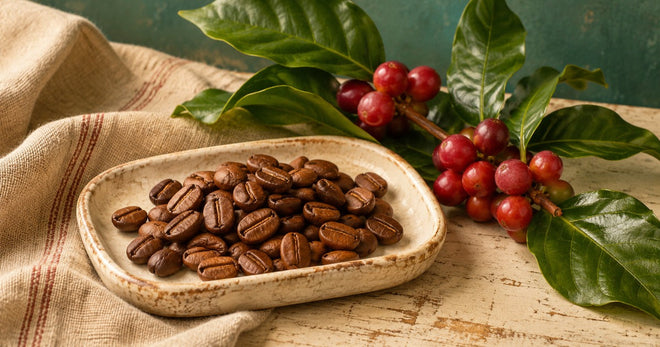
Medium roast, defined: coffee roasted until medium brown, stronger in flavor than a light roast, with a non-oily surface. It's often called "American roast" (NCA, roasts).
Light, medium and dark side by side
| Light | Medium | Dark | |
|---|---|---|---|
| Color | Light brown | Medium brown | Shiny black |
| Surface | Matte, no oil | Non-oily | Oily |
| Roast flavor | Subtle | Stronger than light | Pronounced bitterness |
| Acidity | Highest | In between | Lowest |
| Caffeine | Slightly higher | — | Not higher, despite the bold taste |
| Other names | Blonde, cinnamon | American roast, breakfast blend | French, Italian |
Source for every row: the National Coffee Association's roast guide. Roasters' names vary.

What roasting does
Green coffee beans are hard, grassy-smelling seeds. Roasting brings them to an internal temperature over 400°F, then cools them fast; that unlocks the aroma and flavor and removes nearly all the moisture, per the NCA. The longer the roast, the darker the bean and the more the roast itself shows in the cup. The NCA's summary: lighter roasts preserve more of a coffee's unique qualities; darker roasts trade some of that for roast character.
Who medium roast is for
Our team's view, using the NCA's descriptions:
- You want a coffee's origin to come through, but with some roast body. Medium keeps more character than dark while tasting fuller than light.
- You drink coffee with milk. Brew at the strong end of your method's ratio range so the coffee still comes through the milk.
- You use more than one method. The NCA notes "espresso roast" isn't a roast level at all, and coffees sold for espresso are often medium to dark, so one medium roast can cover your filter coffee and your espresso.
How to brew medium roast
Start with the standard recipe for your method and adjust the grind by taste (more detail in our coffee to water ratio guide):
| Method | Starting point | Source |
|---|---|---|
| Drip | 55 g per liter (≈1:18) | SCA Golden Cup |
| Pour-over | 1:15 (20 g : 300 g), medium grind, 93°C | NCA range 1:13–1:16 |
| French press | 1:15 (30 g : 450 g), coarse, ~4 min | NCA range 1:10–1:16 |
| Espresso | 1:2, 20–30 s, fine | NCA |
Myths about roast level
- "Dark roast has more caffeine." No. The NCA says the strong flavor of dark roasts isn't associated with caffeine, and light roasts have slightly more. See which has more caffeine, light or dark roast.
- "Espresso needs a dark roast." No. "Espresso roast" is the roaster's choice for that method, not a defined roast level (NCA). See coffee beans vs. espresso beans.
- "All medium roasts taste the same." Roast names aren't standardized; one roaster's dark can differ from another's (NCA). Origin and variety still matter (see what single origin means).
Our medium roasts
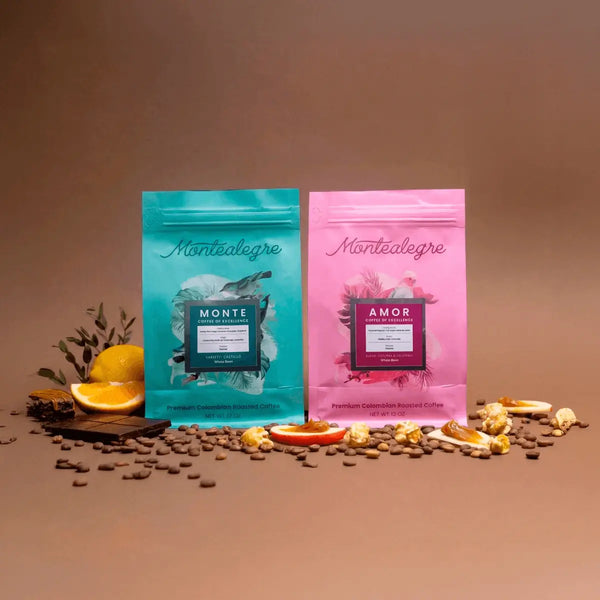
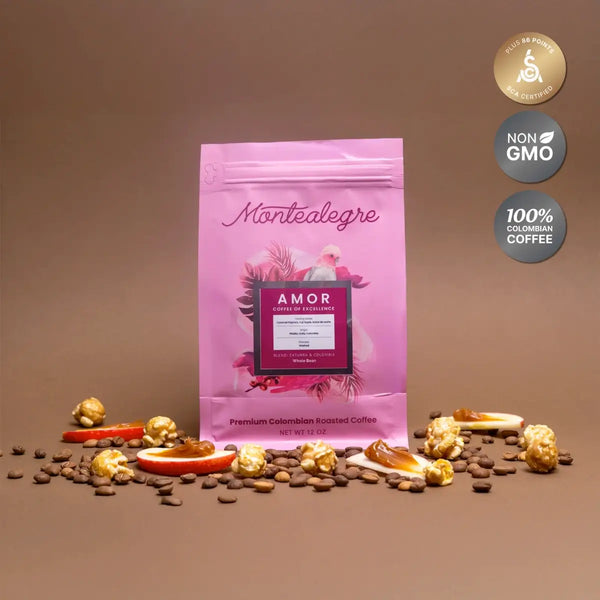
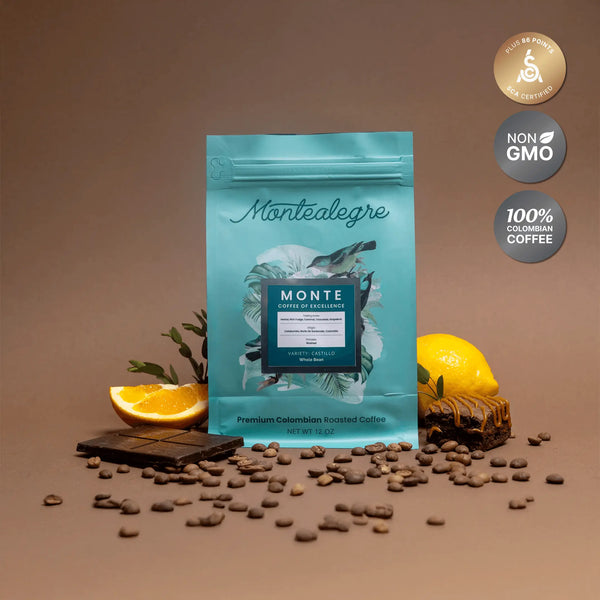
Monte and Amor are both medium roast and 86 SCA:
- Monte: Castillo from Catatumbo, Norte de Santander; herbal and grapefruit notes.
- Amor: Caturra and Colombia from Salado Blanco, Pitalito, Huila; 23 women-led farms.

The Duo brings both, and Monte and Amor are available by subscription, with pause or cancel anytime (current discount on each product page).
FAQ
Is medium roast stronger than light roast?
In flavor, yes: the NCA describes it as stronger than light. In caffeine, no: light roasts have slightly more.
Is medium roast less acidic?
Less acidic than a light roast, more than a dark roast (NCA).
Is medium roast good for espresso?
It can be. Espresso is a brewing method, not a roast, and espresso coffees are often medium to dark (NCA). Monte and Amor both work for espresso.
Sources (checked November 9, 2026; NCA roasts re-checked November 19, 2026)
- NCA roasts: https://www.aboutcoffee.org/beans/roasts/
- NCA espresso: https://www.aboutcoffee.org/brewing/espresso/
- NCA pour-over: https://www.aboutcoffee.org/brewing/pour-over-coffee/
- NCA French press: https://www.aboutcoffee.org/brewing/french-press-coffee/
- SCA Golden Cup (PDF copy): https://www.scith.coffee/wp-content/uploads/2021/03/SCA-Protocols-_-Best-Practices.pdf