The Montealegre Journal
Is Colombian Coffee Arabica?
 By Juan Pablo Jubiz, Co-founder, Montealegre Coffee ·

In this guide
Quick answer: Yes. Cenicafé, Colombia's national coffee research center, states that all coffee varieties grown in Colombia belong to one species, Coffea arabica. "Arabica" is the species; "Colombian" is the origin. So "arabica vs Colombian" isn't a real choice: Colombian coffee is arabica.
Species vs. origin
| Term | What it describes | Example |
|---|---|---|
| Species | The plant | Coffea arabica, Coffea canephora (robusta) |
| Variety | A type within the species | Castillo, Caturra, Colombia, Típica |
| Origin | Where it grew | Colombia → Huila → Pitalito |
Cenicafé's FAQ puts it directly: every coffee variety cultivated in Colombia is Coffea arabica, and arabica and robusta are the two species grown commercially worldwide; internationally, arabica is recognized for better cup quality (Cenicafé).

Which arabica varieties grow in Colombia?
The FNC's Huila chapter, for example, lists Castillo, Colombia, Caturra, Típica, Borbón and Tabi among the region's arabica varieties (FNC Huila). Castillo and Colombia were bred in Colombia by Cenicafé from Caturra and the Timor Hybrid for resistance to coffee leaf rust.
Does "100% Colombian" mean 100% arabica?
If all the coffee in the bag is Colombian, it's arabica, per Cenicafé. (Spelling note: it's Colombian, not "Columbian".) Check blends: a blend that mixes Colombian coffee with coffee from other countries can include robusta.
Our coffees
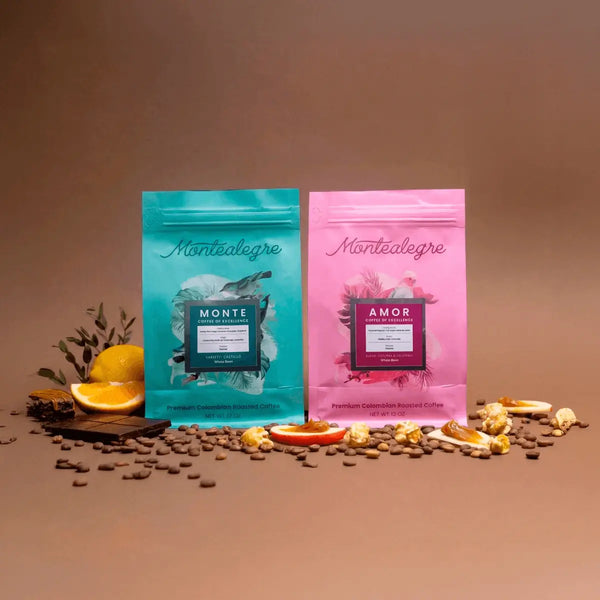
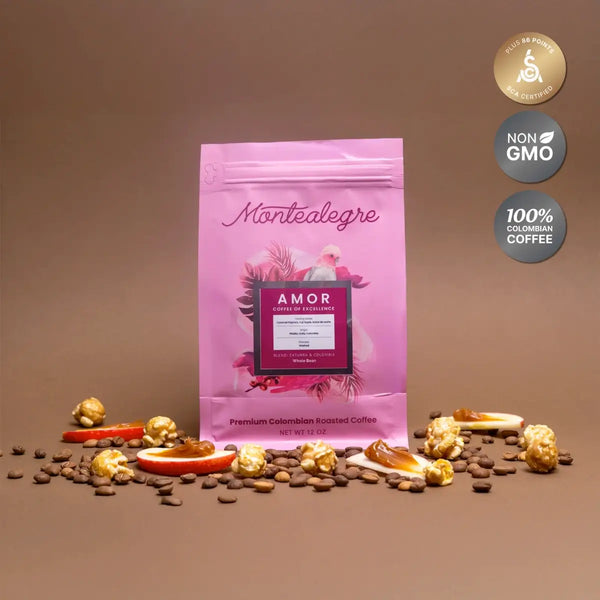
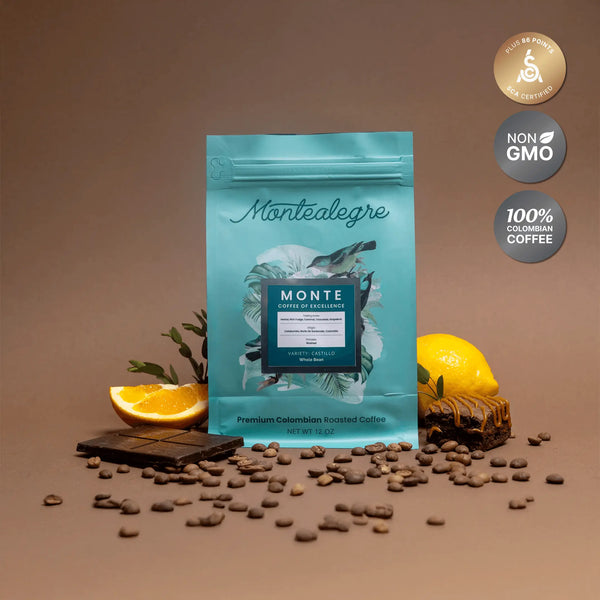
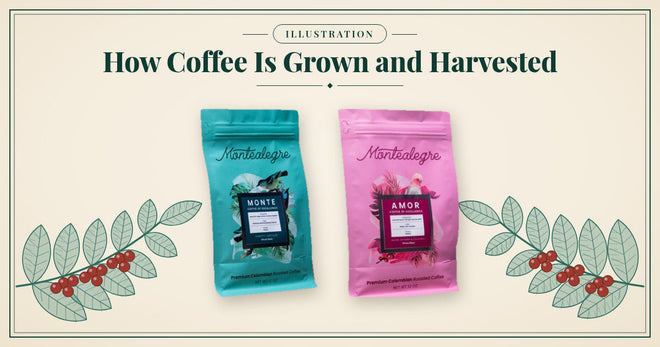
Monte and Amor are both Colombian arabica. Monte is a Castillo from Catatumbo, Norte de Santander. Amor is Caturra and Colombia from Salado Blanco, Pitalito, Huila, grown by 23 women-led farms. Both are 86 SCA, medium roast.

Sources (checked November 22, 2026)
- Cenicafé, Variedad Castillo: Preguntas frecuentes (Avances Técnicos 426, 2012): https://publicaciones.cenicafe.org/index.php/avances_tecnicos/article/view/491
- FNC Huila: https://huila.federaciondecafeteros.org/cafe-de-huila/